
No products in the cart.

Klow
KLOW is a multi-component research blend containing GHK-Cu, KPV, BPC-157, and Thymosin Beta-4. Supplied as a lyophilized powder, the material supports laboratory investigations involving molecular identification, analytical testing, and chemical characterization.
Product Specifications
- Classification: Multi-component peptide research blend
- Components: GHK-Cu, KPV, BPC-157, and Thymosin Beta-4
- Physical Form: Lyophilized powder
- Purity: See batch-specific Certificate of Analysis
- Batch/Lot: Refer to corresponding COA documentation
For laboratory research only. Not intended for human or veterinary use.
$110.00
20 in stock
KLOW – Multi-Component Research Blend
KLOW is a multi-component research blend containing GHK-Cu, KPV, BPC-157, and Thymosin Beta-4. Zenith supplies this material in lyophilized powder form for laboratory research and analytical characterization.
Researchers can examine the blend’s individual components, chemical identities, and analytical properties using established laboratory methods. Additionally, batch-specific documentation provides information about tested samples and their measured characteristics.
What Is KLOW?
KLOW combines four research compounds in a single laboratory preparation. Each component has a distinct chemical identity and molecular structure.
GHK-Cu is a copper-containing peptide complex. Meanwhile, KPV is a short peptide composed of three amino acids. BPC-157 and Thymosin Beta-4 are additional peptide components identified in the blend’s analytical documentation.
Because KLOW contains multiple compounds, researchers may use different analytical approaches to examine the preparation. For example, chromatographic techniques can help evaluate sample composition, while mass spectrometry can support molecular identification.
Furthermore, researchers can review batch-specific laboratory reports to understand the analytical characteristics of tested material.
Laboratory Research Applications
KLOW supports controlled laboratory investigations involving several analytical approaches:
- Molecular identification: Examine the identities of individual blend components.
- Chromatographic analysis: Evaluate sample composition through laboratory separation techniques.
- Mass spectrometry: Investigate molecular characteristics using analytical instrumentation.
- Purity assessment: Review findings documented for tested batches.
- Composition analysis: Compare reported component quantities and sample characteristics.
- Physicochemical characterization: Examine material properties under controlled laboratory conditions.
Additionally, laboratories may compare analytical findings between different production lots. As a result, researchers can document differences in sample composition and measured characteristics.
However, laboratory findings do not establish therapeutic effectiveness or clinical suitability.
KLOW Product Specifications
- Product Name: KLOW
- Classification: Multi-component peptide research blend
- Components: GHK-Cu, KPV, BPC-157, and Thymosin Beta-4
- Physical Form: Lyophilized powder
- Purity: Refer to batch-specific Certificates of Analysis
- Batch/Lot Information: Available in the corresponding laboratory documentation
- Analytical Documentation: Certificate of Analysis available for documented batches
Quality and Analytical Documentation
Zenith provides Certificates of Analysis for documented KLOW batches. These reports identify tested samples and present analytical findings, including purity, physical appearance, and measured component content.
Furthermore, the reports help researchers associate laboratory findings with specific production lots.
Because analytical results can vary between batches, researchers should consult the certificate corresponding to their product’s lot number.
Storage and Handling
Store unopened powder in a cool, dry place, away from direct sunlight, heat, and moisture. Additionally, keep the vial tightly sealed until laboratory use.
Research Use Only
Zenith supplies KLOW exclusively for laboratory research and analytical applications. Therefore, this product is not intended for human or veterinary use, diagnostic procedures, therapeutic administration, or clinical applications.
Storage - Store unopened lyophilized powder in a cool, dry place, away from direct sunlight, heat, and moisture.
Handling - Keep the vial tightly sealed until laboratory use. Follow appropriate laboratory handling procedures.
Batch Documentation - Refer to the Certificate of Analysis associated with the product's lot number for analytical specifications.
Research Use Only - Not intended for human or veterinary use.
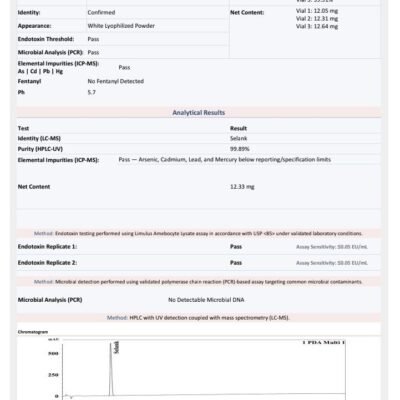
Selank 10MG
$40.00
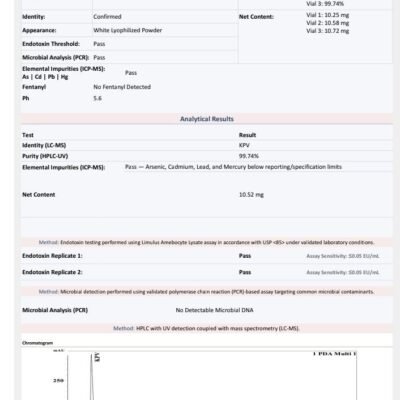
KPV 10mg
$45.00
TS1-10MG
$65.00
ZBP-2 TRZ 10MG
$69.00
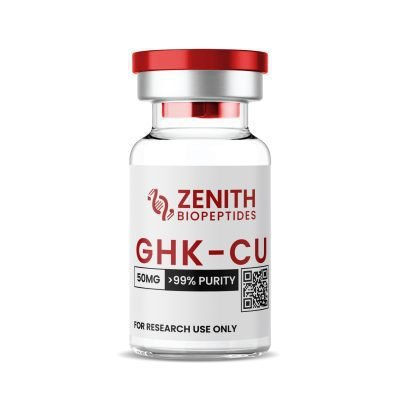
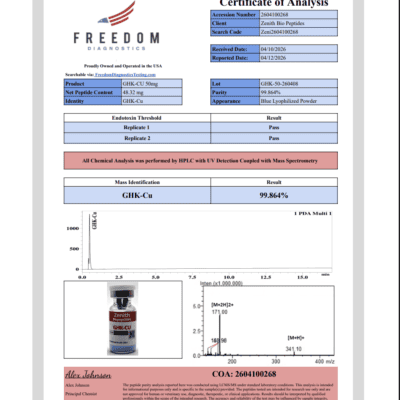
GHK-Cu 50MG
$38.00
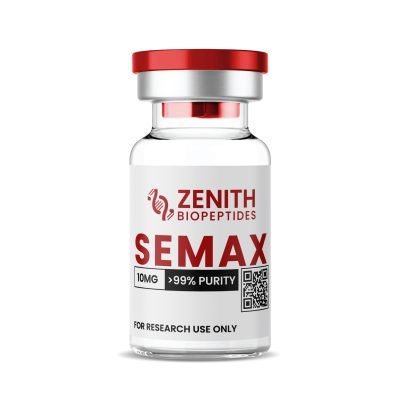
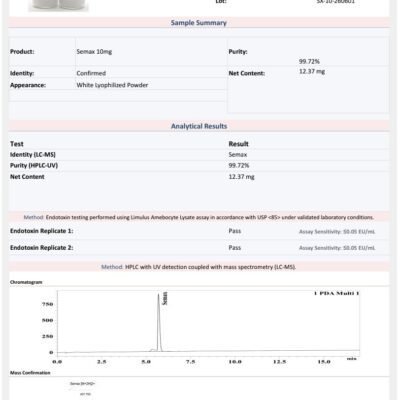
Semax 10MG
$35.00